

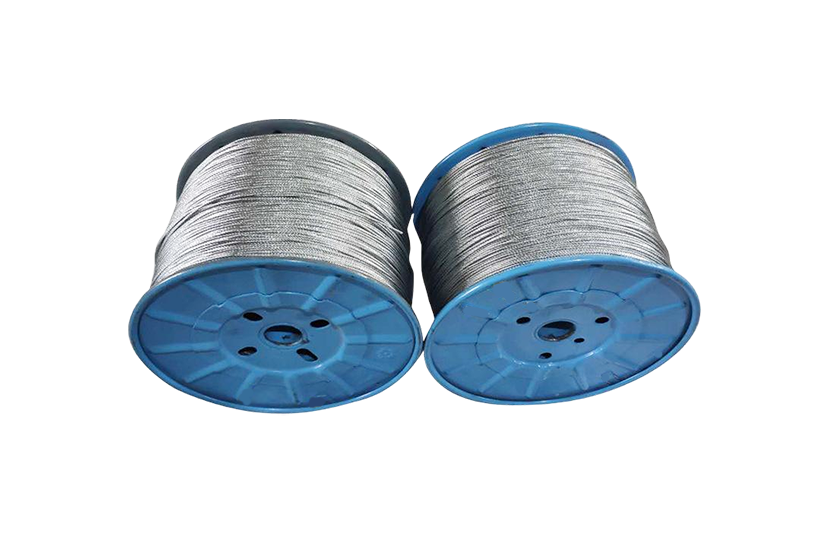
Hot-dip galvanized steel wire is widely used in construction, fencing, binding, agricultural support, cables, wire mesh, baling, and general industrial applications because it combines steel strength with corrosion resistance. To understand how to measure hot-dip galvanized steel wire quality, buyers, engineers, and procurement teams need to evaluate more than appearance alone. True quality depends on the base steel, zinc coating thickness, adhesion, surface condition, diameter tolerance, tensile strength, elongation, and consistency from batch to batch.
This guide explains the main methods used to measure hot-dip galvanized steel wire quality in a clear and SEO-friendly format. It is written for product pages, category pages, industry pages, and blog content. It covers definitions, advantages, common specifications, testing methods, quality indicators, and practical inspection points. The information below is general industry knowledge and does not include any specific company recommendations.
Hot-dip galvanized steel wire is steel wire that has been immersed in molten zinc to create a protective zinc coating on the surface. This coating acts as a barrier against moisture, oxygen, and other corrosive elements. In addition, zinc provides sacrificial protection, meaning it corrodes before the underlying steel does. This makes hot-dip galvanized steel wire one of the most reliable corrosion-resistant wire materials for outdoor and harsh-environment use.
The hot-dip galvanizing process usually involves cleaning the wire, removing scale and rust, fluxing, immersing it in molten zinc, and then cooling and finishing it. The final quality of the wire depends on both the original steel wire and the galvanizing process. When measuring hot-dip galvanized steel wire quality, the goal is to confirm that the finished product meets the required mechanical and coating standards.
Measuring hot-dip galvanized steel wire quality is important because the wire is often used in demanding environments where failure can lead to safety problems, maintenance costs, or reduced service life. A wire with insufficient zinc coating may rust prematurely. A wire with poor diameter tolerance may not fit machinery or may fail under tension. A wire with weak adhesion or poor surface finish may lose protective performance during transport, installation, or use.
Quality measurement also helps buyers compare products on a fair basis. Hot-dip galvanized steel wire may look similar across suppliers, but differences in coating mass, tensile strength, ductility, and uniformity can significantly affect performance. For this reason, industrial users often rely on standardized tests, technical data sheets, and visual inspection when evaluating galvanized wire quality.
Hot-dip galvanized steel wire offers several practical advantages that make it a preferred material in many industries.
| Advantage | Description |
|---|---|
| Corrosion resistance | Zinc coating protects steel from rust and environmental damage. |
| Long service life | Proper galvanizing improves durability in outdoor and humid conditions. |
| Mechanical strength | Steel core provides tensile strength for binding, fencing, and structural use. |
| Cost efficiency | Offers a strong balance between durability and total lifecycle cost. |
| Versatile applications | Used in construction, agriculture, mesh products, cables, and industrial packaging. |
| Easy processing | Can be bent, cut, twisted, or woven depending on specification. |
To measure hot-dip galvanized steel wire quality, several indicators should be checked. These indicators show whether the wire is suitable for its intended application and whether it meets technical expectations.
Zinc coating thickness is one of the most important quality indicators. A thicker and more uniform coating generally improves corrosion resistance. However, the required thickness depends on the application, wire diameter, and relevant standard. Too thin a coating can shorten service life, while excessively thick coating may affect flexibility or surface appearance.
Good adhesion means the zinc layer is firmly bonded to the steel wire and does not flake, peel, or crack easily. Poor adhesion can reduce corrosion protection and indicate process defects. Adhesion is especially important for wire that will be bent, wound, or processed after galvanizing.
Diameter tolerance measures how closely the actual wire diameter matches the specified size. Stable diameter is important for weaving, tying, mesh formation, and mechanical performance. A wire that is too thick or too thin may cause problems during processing or installation.
Tensile strength is the maximum stress the wire can withstand before breaking. It is a core mechanical property of steel wire. High tensile strength is important in applications such as fencing, binding, suspension, and reinforcement. The acceptable level depends on the wire grade and final use.
Elongation reflects how much the wire can stretch before breaking. Ductility shows how well the wire can be bent or formed without cracking. These properties matter when the wire must be twisted, knotted, or installed under tension.
A quality hot-dip galvanized steel wire should have a clean, continuous surface. Minor irregularities can occur, but serious defects such as bare spots, zinc lumps, cracks, rust, or black marks may indicate quality issues.
Uniform coating means the zinc layer is consistent along the entire wire length. Uneven coating can create weak areas where corrosion starts earlier. Uniformity is especially important for long coils and wire used in outdoor environments.
There are several practical methods used in industry to measure hot-dip galvanized steel wire quality. These methods may be performed by suppliers, third-party labs, buyers, or quality control teams.
Visual inspection is the first and simplest quality check. Inspectors look for surface defects such as bare steel, rust, rough zinc deposits, flaking, discoloration, scratches, and contamination. While visual inspection cannot measure coating thickness or mechanical strength by itself, it is essential for identifying obvious defects before more detailed testing.
A micrometer or digital caliper is used to measure wire diameter at several points along the wire. Measurements should be taken consistently and compared with the declared specification. Repeated readings help determine whether the wire is within tolerance and whether there are irregular sections.
Coating thickness can be measured using magnetic coating thickness gauges or other suitable testing instruments. These tools estimate the zinc layer thickness on the steel substrate. Multiple points should be tested to determine average thickness and coating consistency.
Some standards refer to zinc coating mass rather than thickness. Coating mass can be measured by stripping the coating from a known length of wire and calculating the zinc weight per surface area. This method is used in laboratory environments and provides a reliable basis for comparing protective performance.
Adhesion tests evaluate whether the zinc coating remains attached during bending, winding, or mechanical handling. Common practice may include wrapping, bending, or twisting the wire according to relevant standards. If the coating cracks excessively or peels away, the wire may not meet quality requirements.
Tensile testing is performed using a tensile testing machine. The wire is pulled until it breaks, and the equipment records the maximum force and elongation. This test confirms whether the wire meets the required mechanical grade. It is one of the most important tests for performance-sensitive applications.
A bend test checks whether the wire can be bent around a specified diameter without cracking or losing coating integrity. This is useful for evaluating ductility and surface adhesion. Bend testing is relevant for wire that will be shaped, tied, or processed after galvanizing.
In some cases, salt spray testing or other corrosion testing methods are used to estimate long-term resistance to rust. These tests are more common in laboratories than in routine on-site inspection. While they do not perfectly replicate real-world conditions, they can help compare coating performance among samples.
The following checklist is useful when measuring hot-dip galvanized steel wire quality during incoming inspection, production control, or shipment review.
| Inspection Item | What to Check | Why It Matters |
|---|---|---|
| Appearance | Look for rust, bare spots, cracks, peeling, lumps, or contamination. | Surface defects may reduce corrosion resistance and indicate process issues. |
| Diameter | Measure wire size at multiple points with a micrometer. | Ensures dimensional consistency and processing compatibility. |
| Zinc thickness | Use coating thickness testing tools or laboratory methods. | Thicker, uniform coating usually improves durability. |
| Adhesion | Check whether coating cracks or peels during bend or wrap tests. | Strong adhesion improves handling and service life. |
| Tensile strength | Test breaking force and elongation with a tensile machine. | Confirms whether the wire meets mechanical requirements. |
| Coil uniformity | Examine whether the entire coil has consistent appearance and coating. | Helps avoid localized weak points and product rejection. |
| Packaging condition | Check for moisture, damage, and proper bundling or wrapping. | Good packaging protects quality during transport and storage. |
The exact specification of hot-dip galvanized steel wire depends on the application, standard, and customer requirements. The table below shows common specification categories used in the industry. Values are general examples only and should not be treated as universal limits.
| Specification Item | Typical Range / Description |
|---|---|
| Wire diameter | Commonly from fine wire sizes to heavy-duty industrial diameters |
| Zinc coating type | Hot-dip galvanized zinc coating on steel wire surface |
| Surface finish | Bright, dull, slightly spangled, or matte depending on process |
| Tensile strength | Low, medium, or high tensile grades based on application |
| Elongation | Measured according to wire grade and processing requirement |
| Coating mass/thickness | Defined by the relevant standard or project requirement |
| Packaging | Coils, reels, spools, or custom packaging for transport and handling |
Different applications require different quality priorities. Measuring hot-dip galvanized steel wire quality should always be done with the end use in mind.
For construction and binding wire, tensile strength, flexibility, and coating adhesion are often more important than appearance alone. The wire must be strong enough for tying and holding materials while still resisting rust.
For fencing wire and wire mesh, coating thickness, diameter consistency, and uniformity are critical. These products are usually exposed to weather for long periods, so corrosion resistance is a major concern.
Agricultural wire must resist moisture, fertilizer exposure, and outdoor conditions. Coating quality, flexibility, and long-term durability are especially important.
For baling and bundling, wire should have stable tensile strength and manageable ductility. Consistent diameter and good surface finish help improve handling and reduce breakage.
In support and cable-related uses, mechanical properties and dimensional accuracy become more critical. Quality evaluation should include tensile testing and coating inspection.
Several production and material factors influence the final quality of hot-dip galvanized steel wire.
| Factor | Impact on Quality |
|---|---|
| Base steel quality | Affects strength, ductility, and final surface performance. |
| Surface cleaning before galvanizing | Proper cleaning improves zinc adhesion and coating uniformity. |
| Galvanizing temperature | Influences zinc layer formation, appearance, and coating consistency. |
| Immersion time | Impacts coating thickness and surface finish. |
| Wire cooling and handling | Improper handling can damage the coating or create deformation. |
| Storage environment | Moisture or contamination may lead to white rust or surface damage. |
Surface defects can reveal much about hot-dip galvanized steel wire quality. Understanding them helps buyers and inspectors identify potential problems.
| Defect | Possible Meaning |
|---|---|
| Bare spots | Poor coverage or process interruption during galvanizing. |
| Peeling or flaking | Weak adhesion between zinc and steel surface. |
| White rust | Moisture exposure during storage or transport. |
| Black marks | Possible contamination, oxidation, or surface inconsistency. |
| Zinc lumps | Irregular coating buildup or process instability. |
| Scratches | Mechanical damage during handling or packaging. |
To ensure reliable hot-dip galvanized steel wire quality, suppliers and buyers should follow a structured quality control approach.
Measuring hot-dip galvanized steel wire quality before purchase reduces risk and improves project performance. Buyers can avoid premature failure, unnecessary replacement, and installation issues. Proper quality measurement also helps ensure that the wire performs as expected in long-term outdoor service.
For industrial users, quality evaluation supports better cost control. A wire with verified coating thickness and mechanical performance may have a higher initial price but often delivers lower maintenance costs and longer service life. In many cases, total value depends more on verified quality than on purchase price alone.
When creating SEO content for this topic, common search terms include hot-dip galvanized steel wire, galvanized wire quality, zinc coating thickness, coating adhesion, tensile strength, galvanized steel wire specification, corrosion resistance wire, galvanized wire inspection, and galvanized wire testing. Using these keywords naturally throughout the page can help improve search visibility.
Understanding how to measure hot-dip galvanized steel wire quality is essential for anyone involved in sourcing, manufacturing, inspection, or end-use selection. The most important quality indicators include zinc coating thickness, coating adhesion, diameter tolerance, tensile strength, elongation, surface condition, and coating uniformity. By combining visual inspection, dimensional measurement, coating tests, and mechanical testing, buyers and engineers can evaluate whether the wire is suitable for its intended application.
In summary, hot-dip galvanized steel wire quality should always be assessed with both corrosion resistance and mechanical performance in mind. A high-quality galvanized wire provides strong protection, reliable service life, and stable processing performance. For industries that depend on outdoor durability and long-term strength, proper quality measurement is one of the most important steps in material selection.
```

 유선전화: +86-513-85100011
전화번호: +86 13585223056
 이메일:hangtong@nthangtong.com
vicky@nthangtong.com
 주소: 허난성 자오쭤시 보아이현 백산진 광싱로 508호
저작권 © 허난 쑤샹 강케이블 유한회사
이 웹사이트는 귀하가 당사 웹사이트에서 최상의 경험을 할 수 있도록 쿠키를 사용합니다.
 English
 Español
 العربية
 Tiếng Việt
 Filipino



 핸드폰
핸드폰
논평
(0)