新闻中心
홈페이지 > 뉴스 센터 > Blog

Gabion Mesh Supplier Selection Guide for International Buyers
2026-09-04 04:22:22

Gabion Mesh Supplier Selection Guide for International Buyers


Gabion Mesh Supplier Selection Guide for International Buyers

Choosing the right gabion mesh supplier is one of the most important steps for international buyers

sourcing materials for retaining walls, erosion control, river training, landscaping, slope stabilization, and

infrastructure protection. As global demand for durable and cost-effective wire mesh products continues to grow,

buyers need a practical gabion mesh supplier selection guide that explains product types, quality

standards, material options, technical specifications, and sourcing criteria in a clear and SEO-friendly format.

This guide is designed for importers, wholesalers, contractors, distributors, engineers, and procurement teams who

need to evaluate Gabion Mesh Manufacturers and suppliers in international markets. It provides

industry-wide information only, without recommending any specific company. The content below can be used directly

in blog articles, directory pages, product category pages, industry pages, or buyer education sections.

What Is Gabion Mesh?

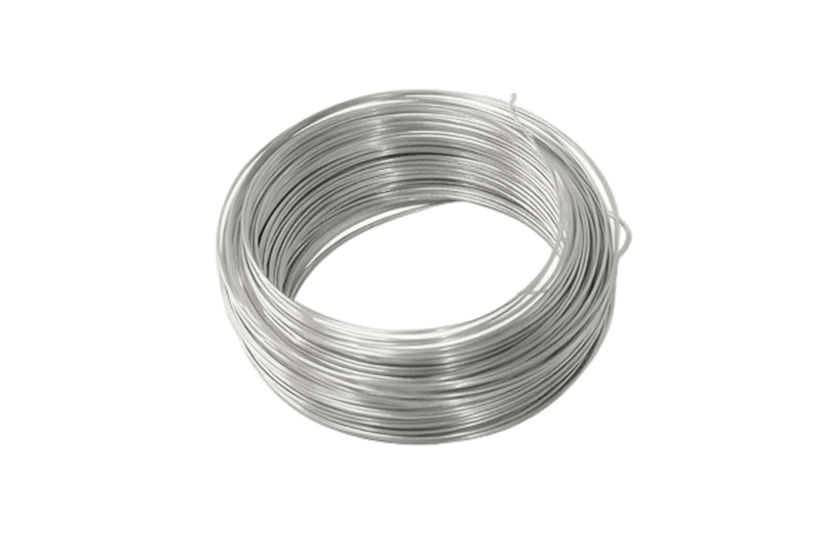
Gabion mesh is a type of Steel Wire mesh used to make wire containers, baskets, mattresses, and

retaining structures filled with rocks, stones, or other hard materials. These structures are commonly applied in

civil engineering, environmental protection, flood control, landscaping, and slope reinforcement. A well-made

gabion mesh system combines strength, flexibility, permeability, and long service life.

The mesh is usually manufactured from Galvanized Steel Wire, PVC-coated wire, or zinc-aluminum alloy coated wire.

Depending on project requirements, gabion products may be made as hexagonal mesh, welded mesh, or double twisted

mesh. Each format offers specific benefits for different engineering conditions and budget levels.

Why International Buyers Source Gabion Mesh Globally

International buyers often source gabion mesh from global suppliers to achieve competitive pricing, larger supply

capacity, customized specifications, and access to different coating technologies. In many markets, local production

may not offer enough variety in wire diameter, mesh opening, coating thickness, or packaging standards. A reliable

gabion mesh supplier can provide consistent quality, export documentation, and stable lead times.

For overseas procurement, supplier selection affects not only product quality but also installation performance,

transportation efficiency, and project durability. Poor-quality gabion mesh can lead to wire breakage, coating

failure, deformation, and reduced structural lifespan. That is why buyers need a structured evaluation process.

Key Benefits of Gabion Mesh Products

  • High structural flexibility: Suitable for ground movement and uneven settlement.
  • Excellent permeability: Allows water drainage and reduces hydrostatic pressure.
  • Strong erosion control: Helps stabilize riverbanks, slopes, and embankments.
  • Cost-effective construction: Lower installation cost compared with some rigid retaining systems.
  • Eco-friendly application: Supports vegetation growth and natural landscape integration.
  • Long service life: Proper coating and wire selection improve resistance to corrosion.
  • Easy transport and assembly: Flat-packed gabion baskets reduce freight volume.

Main Types of Gabion Mesh

Understanding product categories is essential when comparing gabion mesh suppliers. The main types

are listed below.

Gabion Mesh TypeStructureMain FeaturesTypical Applications
Double Twisted Hexagonal MeshWire strands twisted together to form hexagonal openingsFlexible, durable, widely used in civil worksRetaining walls, river protection, slope stabilization
Welded Gabion MeshSteel wires welded at intersectionsUniform appearance, high rigidity, easier installationLandscaping, architectural walls, decorative projects
Gabion MattressLow-profile mesh container with smaller thicknessDesigned for broad coverage and erosion resistanceRiverbeds, channels, shoreline protection
Galvanized Gabion BoxMesh box made from galvanized wireEconomical and widely availableGeneral civil engineering and retaining structures
PVC-Coated Gabion MeshMetal wire with protective polymer coatingEnhanced corrosion resistance and longer lifespanWet environments, coastal areas, high-humidity zones

Common Materials Used in Gabion Mesh Production

Material selection is a major factor in gabion mesh quality. International buyers should carefully review wire

grade, coating type, and anti-corrosion performance before placing bulk orders.

Material TypeDescriptionAdvantagesBest Use Cases
Low-Carbon Steel WireBase wire commonly used for gabion mesh manufacturingStrong, economical, easy to processStandard gabion baskets and boxes
Hot-Dip Galvanized WireSteel wire coated with zinc after forming or before formingImproved rust resistance and outdoor durabilityRetaining walls, slope protection, general outdoor use
Zinc-Aluminum Alloy WireWire coated with a zinc-aluminum alloy layerExcellent corrosion resistance and longer service lifeProjects in aggressive soil or water conditions
PVC-Coated WireGalvanized or alloy-coated wire with polymer coatingAdditional protection, color options, improved weather resistanceMarine areas, parks, decorative landscapes

Gabion Mesh Specifications Buyers Should Evaluate

When comparing a gabion mesh supplier, the buyer should request a complete specification sheet.

Important parameters include wire diameter, mesh opening, coating thickness, basket size, tensile strength, and

packaging method. These specifications directly influence project performance and purchase value.

SpecificationTypical RangeImportance to Buyers
Wire Diameter2.0 mm to 4.5 mmAffects strength, load-bearing capacity, and durability
Mesh Opening Size60 × 80 mm, 80 × 100 mm, 100 × 120 mmDetermines stone retention and structure stability
Basket SizeCustom sizes or standard dimensions such as 2 × 1 × 1 mImportant for project design and installation planning
Coating TypeGalvanized, Zn-Al alloy, PVC-coatedKey factor for corrosion resistance and lifespan
Coating ThicknessBased on project environment and technical requirementHigher coating generally improves anti-corrosion protection
Tensile StrengthDepends on wire grade and manufacturing standardImportant for structural reliability and deformation control
Selvedge Wire / Edge WireReinforced wire used for frame edgesImproves basket stability and assembly performance
Diaphragm SpacingCustomized based on basket lengthHelps maintain shape and stone distribution
Surface FinishSmooth, galvanized, coatedAffects appearance, corrosion resistance, and installation safety
Packing MethodFlat-packed, bundled, palletizedImpacts shipping cost, storage, and unloading efficiency

How to Choose the Right Gabion Mesh Supplier

Selecting the right gabion mesh supplier requires a balance of price, quality, technical support,

and export capability. The lowest price does not always mean the lowest total cost. Buyers should evaluate the full

sourcing package, including material quality, consistency, communication, and logistics.

1. Check Manufacturing Capability

A dependable supplier should have sufficient production lines, wire drawing or wire processing capacity, mesh

weaving or welding equipment, and quality control procedures. Production stability is especially important for

large-volume international orders.

2. Review Material Standards

Ask whether the supplier uses low-carbon steel wire, galvanized wire, or zinc-aluminum alloy wire. Also confirm

the coating process, wire tolerance, and expected corrosion resistance. This helps ensure the product meets your

project environment.

3. Confirm Customization Options

Different projects need different mesh openings, basket sizes, and coating systems. A flexible supplier should be

able to customize gabion mesh dimensions, wire diameter, packaging, and branding if required.

4. Evaluate Quality Control Processes

Quality control should include raw material inspection, process inspection, finished product inspection, and

packaging inspection. International buyers often request third-party inspection to reduce risk before shipment.

5. Assess Export Experience

A qualified export supplier should understand international trade terms, customs documentation, loading

requirements, and destination market expectations. Experience in export logistics can help reduce delays and

avoid costly shipping problems.

6. Compare Lead Time and Delivery Reliability

Reliable delivery is critical for construction and infrastructure projects. Buyers should confirm production

schedules, inventory availability, and shipping timelines before placing an order.

7. Examine Technical Support

Good suppliers offer technical guidance on mesh selection, coating choice, basket size, and installation

considerations. This support is valuable for buyers handling complex engineering projects.

Important Quality Indicators for Gabion Mesh

To identify a high-quality product, buyers should review the following indicators before finalizing a purchase.

  • Uniform mesh opening: Ensures consistent stone retention and basket stability.
  • Strong wire coating: Protects against rust, wear, and environmental damage.
  • Accurate dimensions: Prevents installation issues and project delays.
  • Firm twisting or welding: Improves structural integrity and resistance to deformation.
  • Proper selvedge reinforcement: Supports edge strength and assembly performance.
  • Neat packaging: Reduces damage during transportation and storage.
  • Stable supply consistency: Ensures repeatable quality for large projects.

Typical Applications of Gabion Mesh

Gabion mesh is widely used across civil engineering, environmental engineering, and landscape design. Its

versatility is one of the main reasons international buyers continue to source it in bulk.

Application AreaPurposeCommon Gabion Product
Retaining WallsHold back soil and stabilize slopesGabion baskets and boxes
Erosion ControlProtect riverbanks, shorelines, and embankmentsGabion mattresses and mesh boxes
Flood ControlReduce water damage and channel erosionDouble twisted gabions
LandscapingCreate decorative and functional garden structuresWelded gabions
Road and Bridge ProtectionSupport embankments and protect structural foundationsHeavy-duty gabion boxes
Coastal and Marine ProtectionHelp resist wave and saltwater exposurePVC-coated or alloy-coated gabion mesh

Gabion Mesh Supplier Evaluation Checklist

Before choosing a supplier, international buyers can use the following checklist to compare options objectively.

Evaluation ItemQuestion to AskWhy It Matters
Product RangeDoes the supplier offer multiple mesh types and coatings?More options mean better project fit
Technical ComplianceAre specifications aligned with project requirements?Prevents performance problems
Quality AssuranceIs there a documented QC process?Reduces defect risk
CustomizationCan the supplier make special sizes or coatings?Useful for project-specific needs
Export ExperienceHas the supplier handled international shipments before?Improves delivery reliability
PackagingIs the product packed for safe transport?Prevents damage and reduces freight cost
DocumentationCan the supplier provide invoices, packing lists, and export papers?Required for customs clearance
CommunicationIs the supplier responsive and professional?Important for smooth procurement

How Gabion Mesh Pricing Is Usually Determined

Gabion mesh pricing depends on several variables, including raw material cost, wire diameter, coating type, mesh

size, quantity, customization, and shipping terms. International buyers should understand these factors to compare

quotations correctly.

In general, thicker wire, stronger coatings, and more complex processing increase the unit price. Larger orders may

receive better pricing, but freight, packaging, and destination market rules can also affect the final landed cost.

Price FactorImpact on Cost
Raw wire priceDirectly influences the base product cost
Wire diameterThicker wire usually costs more
Coating typeSpecial coatings raise production cost but improve durability
Basket dimensionsCustom sizes may require additional processing
Order volumeHigher volumes may reduce unit cost
Packaging and palletizingBetter protection can increase packing cost
Shipping methodSea freight, air freight, and destination fees affect landed price

Common Mistakes International Buyers Should Avoid

  • Choosing a supplier based only on the lowest price.
  • Ignoring coating thickness and corrosion resistance.
  • Failing to request detailed technical specifications.
  • Overlooking packaging quality for export shipping.
  • Not confirming the actual basket dimensions before ordering.
  • Skipping sample verification or third-party inspection.
  • Neglecting to ask about delivery lead times and spare capacity.
  • Assuming all gabion mesh products are interchangeable.

Suggested Questions to Ask a Gabion Mesh Supplier

A professional supplier should be able to answer technical and commercial questions clearly. Consider asking the

following:

  • What wire material and coating system do you use?
  • What are the available mesh opening sizes?
  • Can you provide custom basket dimensions?
  • What is the typical wire diameter tolerance?
  • Do you offer galvanized, zinc-aluminum, and PVC-coated options?
  • What quality control tests are performed before shipment?
  • How is the product packed for overseas transport?
  • Can you support third-party inspection?
  • What documents do you provide for export clearance?
  • What is the estimated production lead time for bulk orders?

SEO-Friendly Summary for Gabion Mesh Buyers

The global gabion mesh market offers many options, but successful purchasing depends on clear specification review,

supplier assessment, and quality control. Buyers searching for a gabion mesh supplier should

compare material type, coating performance, mesh structure, basket dimensions, packaging methods, and export

experience. A reliable supplier helps reduce installation risk, improve project durability, and ensure stable supply

for international construction and engineering projects.

Whether you are sourcing gabion mesh for retaining walls, erosion control, landscaping, flood

management, or slope stabilization, the best purchasing decision comes from technical understanding and careful

supplier evaluation. By using this gabion mesh supplier selection guide, international buyers can

make informed choices based on product quality, service capability, and long-term value.

Frequently Used Keywords for SEO Content

The following keyword phrases are commonly used in SEO-focused gabion content and can help improve topical

relevance when naturally inserted into product pages, blogs, and directory pages:

  • gabion mesh supplier
  • gabion mesh manufacturer
  • gabion mesh export
  • gabion basket supplier
  • Gabion Wire Mesh
  • Galvanized Gabion Mesh
  • PVC coated gabion mesh
  • gabion mesh specifications
  • gabion mesh price
  • gabion mesh quality guide
  • gabion mesh for erosion control
  • gabion mesh for retaining walls

Final Buyer Takeaway

A strong procurement strategy for gabion mesh begins with technical knowledge. International buyers should focus on

product structure, wire quality, coating durability, supplier reliability, and export readiness. Since gabion mesh

is used in demanding outdoor and civil engineering environments, even small differences in material quality can

have a major impact on long-term performance.

For best results, request detailed specifications, compare multiple quotations, review packaging and logistics

carefully, and confirm that the supplier can meet your project standards. This approach supports better pricing,

fewer defects, and stronger project outcomes.

이 웹사이트는 귀하가 당사 웹사이트에서 최상의 경험을 할 수 있도록 쿠키를 사용합니다.

수용하다 거부하다