新闻中心
홈페이지 > 뉴스 센터 > Company News

Automotive Spring Steel Wire: Types, Features, and Applications in Vehicle Manufacturing
2026-07-30 08:55:52

Automotive Spring Steel Wire: Types, Features, and Applications in Vehicle Manufacturing

Introduction to Automotive Spring Steel Wire


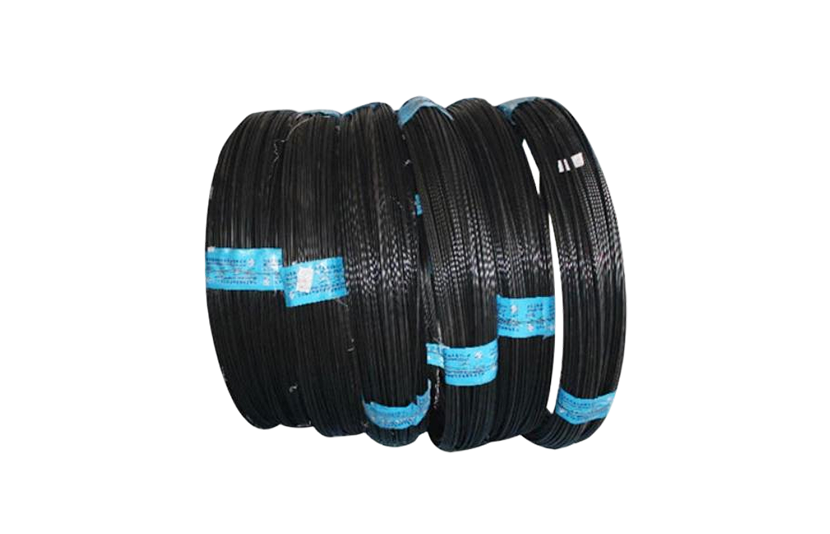
Automotive Spring Steel Wire is a specialized steel wire material designed for manufacturing various spring components used in vehicles. With excellent elasticity, high tensile strength, fatigue resistance, and reliable durability, Automotive Spring Steel Wire plays an important role in modern vehicle manufacturing.

Automotive systems require components that can withstand repeated loading, vibration, impact, and long-term mechanical stress. Springs manufactured from ordinary steel wire may experience deformation or fatigue failure under continuous operation. Automotive Spring Steel Wire is developed to provide stable performance under demanding vehicle operating conditions.

From suspension systems and engine components to transmission systems and safety mechanisms, Automotive Spring Steel Wire supports many critical automotive applications. Its ability to maintain strength and elasticity after repeated compression and extension makes it an essential material for high-performance spring production.

With the continuous development of vehicle technology, automotive components require higher precision, improved durability, and better fatigue resistance. Automotive Spring Steel Wire meets these requirements through advanced material design, controlled manufacturing processes, and optimized mechanical properties.

What Is Automotive Spring Steel Wire?

Automotive Spring Steel Wire is a type of high-carbon or Alloy Steel Wire specially produced for manufacturing automotive springs. It is engineered to provide high elastic limits, excellent fatigue resistance, and stable mechanical performance during repeated loading cycles.

Unlike general steel wire, Automotive Spring Steel Wire must meet stricter requirements for strength, toughness, surface quality, and dimensional accuracy. These characteristics allow spring components to maintain their shape and performance throughout the service life of a vehicle.

The main function of Automotive Spring Steel Wire is to convert mechanical energy through elastic deformation. When a spring is compressed or stretched, the wire stores and releases energy while maintaining structural stability.

Depending on application requirements, Automotive Spring Steel Wire can be manufactured using different steel grades, heat treatment processes, and surface treatments to achieve specific performance characteristics.

Types of Automotive Spring Steel Wire

1. Oil Tempered Spring Steel Wire

Oil tempered Automotive Spring Steel Wire is widely used for vehicle suspension springs and other components requiring high fatigue resistance. The manufacturing process includes controlled heating and oil cooling to improve strength, toughness, and durability.

This type of Automotive Spring Steel Wire provides excellent resistance against repeated stress and is suitable for applications involving heavy loads, vibration, and continuous movement.

Oil tempered spring steel wire is commonly selected for suspension systems because it maintains reliable performance under complex road conditions.

2. Cold Drawn Spring Steel Wire

Cold drawn Automotive Spring Steel Wire is produced through controlled drawing processes that improve dimensional accuracy and surface quality. This type of wire provides high strength and excellent consistency for precision spring manufacturing.

Cold drawn Automotive Spring Steel Wire is commonly used for smaller springs, control components, and applications requiring accurate dimensions and stable performance.

3. Alloy Spring Steel Wire

Alloy Automotive Spring Steel Wire contains alloying elements that improve strength, toughness, heat resistance, and fatigue performance. Alloy elements help the wire maintain mechanical properties under demanding conditions.

This type of Automotive Spring Steel Wire is suitable for high-performance automotive components where improved durability and reliability are required.

4. Valve Spring Steel Wire

Valve spring steel wire is designed specifically for engine valve spring applications. These springs operate under high-speed conditions and must withstand repeated compression cycles.

Automotive Spring Steel Wire used for valve springs requires excellent fatigue resistance, high strength, and stable performance under elevated temperatures.

Material Characteristics of Automotive Spring Steel Wire

High Tensile Strength

One of the most important characteristics of Automotive Spring Steel Wire is its high tensile strength. Vehicle springs experience significant mechanical forces during operation, requiring materials that can resist deformation.

High tensile strength allows Automotive Spring Steel Wire to maintain spring shape and provide consistent force throughout repeated operating cycles.

Excellent Fatigue Resistance

Automotive components are exposed to millions of loading cycles during vehicle operation. Fatigue resistance is therefore a critical requirement for Automotive Spring Steel Wire.

High-quality Automotive Spring Steel Wire is designed to withstand repeated compression, stretching, and vibration without premature failure.

Superior Elasticity

The main function of a spring is to store and release mechanical energy. Automotive Spring Steel Wire provides excellent elasticity, allowing springs to return to their original shape after deformation.

This elastic performance improves vehicle comfort, stability, and component reliability.

Good Toughness and Impact Resistance

Automotive components may experience sudden loads and impact forces during operation. Automotive Spring Steel Wire provides sufficient toughness to absorb these forces without cracking or breaking.

Good toughness improves the safety and service life of automotive spring components.

Excellent Surface Quality

Surface quality is essential for preventing fatigue cracks in spring applications. Automotive Spring Steel Wire requires smooth surfaces with controlled dimensional accuracy.

A high-quality surface helps reduce stress concentration and improves long-term spring performance.

Manufacturing Process of Automotive Spring Steel Wire

1. Raw Material Selection


The manufacturing process of Automotive Spring Steel Wire begins with selecting suitable steel materials. Steel grades are chosen according to required strength, elasticity, fatigue resistance, and application conditions.

Proper raw material selection provides the foundation for producing reliable Automotive Spring Steel Wire with stable mechanical performance.

2. Wire Drawing Process

Wire drawing is an important process used to achieve precise diameter control and improve mechanical properties. During drawing, steel wire passes through dies to reduce diameter and increase strength.

Controlled wire drawing ensures that Automotive Spring Steel Wire achieves consistent dimensions and excellent surface quality.

3. Heat Treatment Process

Heat treatment plays an important role in improving the performance of Automotive Spring Steel Wire. Through controlled heating and cooling processes, the internal structure of steel is optimized.

Proper heat treatment improves strength, toughness, elasticity, and fatigue resistance, allowing Automotive Spring Steel Wire to meet automotive spring requirements.

4. Surface Treatment

Surface treatment helps improve the durability and fatigue performance of Automotive Spring Steel Wire. Processes such as surface cleaning, coating, or protective treatment can improve corrosion resistance and service life.

A high-quality surface treatment ensures that Automotive Spring Steel Wire performs reliably in demanding automotive environments.

5. Quality Inspection

Quality inspection is essential during Automotive Spring Steel Wire production. Testing may include tensile strength, hardness, dimensional accuracy, surface quality, and fatigue performance evaluation.

Strict quality control ensures that Automotive Spring Steel Wire meets the requirements of automotive spring manufacturing.

Applications of Automotive Spring Steel Wire in Vehicle Manufacturing

Automotive Spring Steel Wire is an essential material used in many vehicle components that require elasticity, strength, and long-term durability. From suspension systems to engine components, Automotive Spring Steel Wire helps improve vehicle safety, comfort, and performance.

1. Suspension Springs

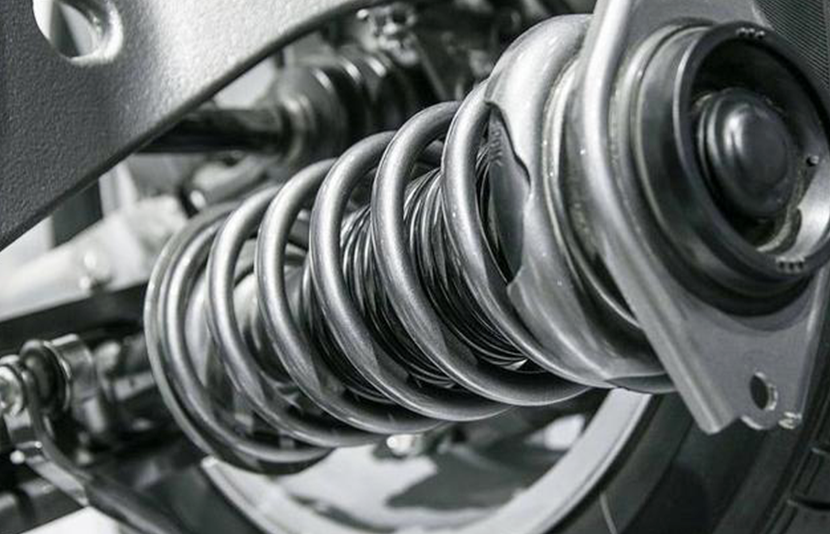
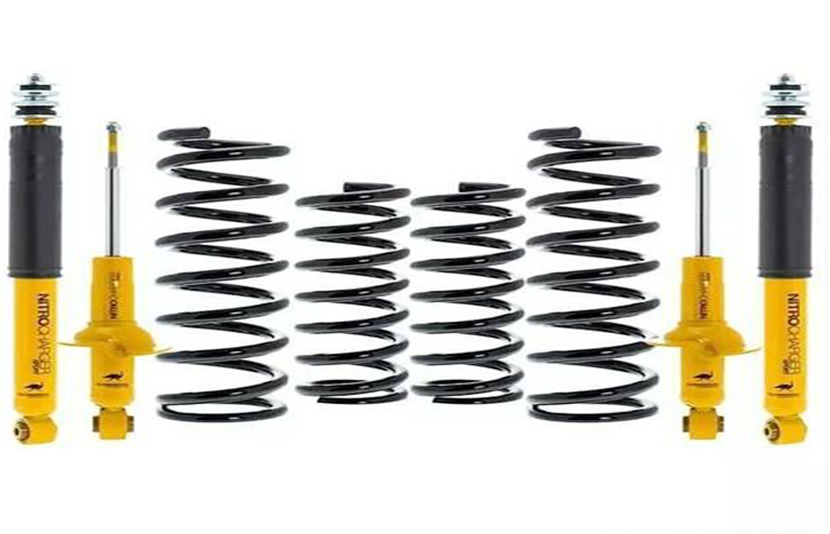
Suspension springs are one of the largest application areas for Automotive Spring Steel Wire. These springs support vehicle weight, absorb road impact, and improve driving comfort by controlling vehicle movement.

Automotive Spring Steel Wire used for suspension systems must provide high tensile strength, excellent fatigue resistance, and stable elasticity. During vehicle operation, suspension springs experience continuous compression and extension, requiring materials that can maintain performance under repeated stress.

High-quality Automotive Spring Steel Wire helps suspension systems achieve better durability, load-bearing capability, and long-term reliability.

2. Valve Springs

Valve springs are critical engine components that control the opening and closing movement of engine valves. These springs operate at high speeds and experience millions of compression cycles during engine operation.

Automotive Spring Steel Wire for valve springs requires excellent fatigue resistance, precise dimensions, and stable mechanical properties under high-temperature conditions.

The performance of Automotive Spring Steel Wire directly affects engine efficiency, reliability, and operating stability.

3. Clutch Springs

Clutch systems require springs that can provide consistent force and maintain stable operation. Automotive Spring Steel Wire is commonly used for clutch springs because of its strength, elasticity, and resistance to repeated loading.

The excellent mechanical properties of Automotive Spring Steel Wire help clutch components maintain smooth operation and extended service life.

4. Brake System Springs

Brake systems require reliable spring components to ensure proper movement and safety performance. Automotive Spring Steel Wire provides the strength and durability needed for brake springs used in various vehicle systems.

The fatigue resistance of Automotive Spring Steel Wire helps maintain stable braking performance under frequent operating conditions.

5. Seat and Interior Spring Components

Automotive Spring Steel Wire is also used in vehicle seat structures and interior spring components. These applications require materials that provide flexibility, comfort, and long-term durability.

The elasticity and fatigue resistance of Automotive Spring Steel Wire allow seat springs to maintain comfort and performance during extended use.

6. Transmission and Mechanical Components

Many transmission and mechanical systems require precision springs to control movement and maintain proper force. Automotive Spring Steel Wire provides the required strength and dimensional accuracy for these components.

Its reliable performance makes Automotive Spring Steel Wire suitable for various automotive mechanical applications.

Advantages of Automotive Spring Steel Wire

1. Improved Vehicle Performance

Automotive Spring Steel Wire plays an important role in improving vehicle performance. High-quality spring materials help maintain proper suspension response, vibration control, and mechanical stability.

By providing consistent elasticity and strength, Automotive Spring Steel Wire contributes to safer and more comfortable vehicle operation.

2. Excellent Fatigue Life


Automotive springs are exposed to repeated loading during vehicle operation. Automotive Spring Steel Wire is specifically designed to withstand millions of stress cycles.

Excellent fatigue resistance reduces the risk of spring failure and improves the reliability of automotive components.

3. High Load-Bearing Capacity

Vehicles operate under different loading conditions, including passengers, cargo, acceleration, and road impacts. Automotive Spring Steel Wire provides the strength required to support these changing forces.

High load-bearing capability makes Automotive Spring Steel Wire suitable for both passenger vehicles and commercial vehicle applications.

4. Long Service Life

Durability is a key requirement for automotive components. Automotive Spring Steel Wire maintains mechanical properties over long periods, helping extend the service life of spring systems.

Long service life reduces replacement frequency and improves the overall reliability of vehicle components.

5. Precision Manufacturing Capability

Modern vehicle manufacturing requires precise components with consistent dimensions. Automotive Spring Steel Wire can be produced with accurate diameter control and excellent surface quality.

This precision helps manufacturers produce reliable springs that meet strict automotive performance requirements.

How to Choose the Right Automotive Spring Steel Wire

1. Consider Application Requirements

The first step in selecting Automotive Spring Steel Wire is understanding the specific spring application. Suspension springs, valve springs, clutch springs, and other components have different performance requirements.

Choosing the correct Automotive Spring Steel Wire ensures proper strength, elasticity, and durability for the intended application.

2. Select Suitable Steel Grade

Different automotive applications require different steel grades. Factors such as tensile strength, fatigue resistance, temperature resistance, and toughness should be considered.

The correct steel grade helps Automotive Spring Steel Wire achieve optimal performance under operating conditions.

3. Evaluate Wire Diameter

Wire diameter directly affects spring performance, including strength, flexibility, and load capacity. Larger diameter Automotive Spring Steel Wire generally provides higher load resistance, while smaller diameters offer greater flexibility.

4. Check Surface Quality

Surface defects can reduce fatigue performance and cause premature spring failure. High-quality Automotive Spring Steel Wire requires excellent surface conditions to minimize stress concentration.

Good surface quality improves reliability and extends the service life of automotive springs.

5. Consider Operating Environment

Automotive components may operate under vibration, temperature changes, moisture, and road exposure. The selected Automotive Spring Steel Wire should match the environmental conditions of the vehicle application.

Factors Affecting the Performance of Automotive Spring Steel Wire

Material Composition

The chemical composition of Automotive Spring Steel Wire directly affects strength, toughness, and fatigue performance. Proper alloy elements improve mechanical properties and service reliability.

Heat Treatment Quality

Heat treatment determines the internal structure and performance of Automotive Spring Steel Wire. Proper heat treatment improves elasticity, hardness, and resistance to repeated stress.

Manufacturing Accuracy

Precision manufacturing ensures consistent dimensions and surface quality. Accurate production processes help Automotive Spring Steel Wire achieve stable performance in automotive applications.

Working Conditions

Vehicle operating conditions, including load, vibration, temperature, and road environment, influence spring performance. Selecting suitable Automotive Spring Steel Wire according to working conditions improves reliability.

Future Development Trends of Automotive Spring Steel Wire

The automotive industry continues to demand lighter, stronger, and more durable components. Automotive Spring Steel Wire is developing toward higher strength, improved fatigue resistance, and better performance.

Advanced material technologies and improved manufacturing processes are helping Automotive Spring Steel Wire achieve higher reliability while supporting vehicle efficiency and safety improvements.

As vehicle designs continue evolving, Automotive Spring Steel Wire will remain an important material for producing high-performance spring components.

Frequently Asked Questions About Automotive Spring Steel Wire

What is Automotive Spring Steel Wire used for?

Automotive Spring Steel Wire is mainly used for manufacturing vehicle springs, including suspension springs, valve springs, clutch springs, brake springs, and other mechanical spring components.

Why is Automotive Spring Steel Wire important for vehicles?

Automotive Spring Steel Wire provides the strength, elasticity, and fatigue resistance required for reliable spring operation. It helps improve vehicle safety, comfort, and component durability.

What properties should Automotive Spring Steel Wire have?

High-quality Automotive Spring Steel Wire should have high tensile strength, excellent fatigue resistance, good elasticity, surface quality, and stable mechanical performance.

How does Automotive Spring Steel Wire improve vehicle performance?

Automotive Spring Steel Wire improves vehicle performance by allowing spring components to absorb shocks, control movement, support loads, and maintain stable operation.

Conclusion

Automotive Spring Steel Wire is a critical material in modern vehicle manufacturing. With excellent strength, elasticity, fatigue resistance, and durability, it supports the production of reliable automotive spring components.

From suspension systems and engine valve springs to clutch systems and mechanical components, Automotive Spring Steel Wire provides the performance required for demanding automotive environments.

Selecting the correct Automotive Spring Steel Wire according to application requirements, material properties, and operating conditions helps improve vehicle reliability and extend component service life. As automotive technology continues advancing, Automotive Spring Steel Wire will continue playing an important role in high-performance vehicle manufacturing.

이 웹사이트는 귀하가 당사 웹사이트에서 최상의 경험을 할 수 있도록 쿠키를 사용합니다.

수용하다 거부하다